Apply Now WhatsApp
Promoting Healthy Lifestyles and Social Responsibility Through Community Engagement: A Reflection on the Charity Fun Run 2025 Programme

Promoting Healthy Lifestyles and Social Responsibility Through Community Engagement: A Reflection on the Charity Fun Run 2025 Programme

Promoting Healthy Lifestyles and Social Responsibility Through Community Engagement: A Reflection on the Charity Fun Run 2025 Programme

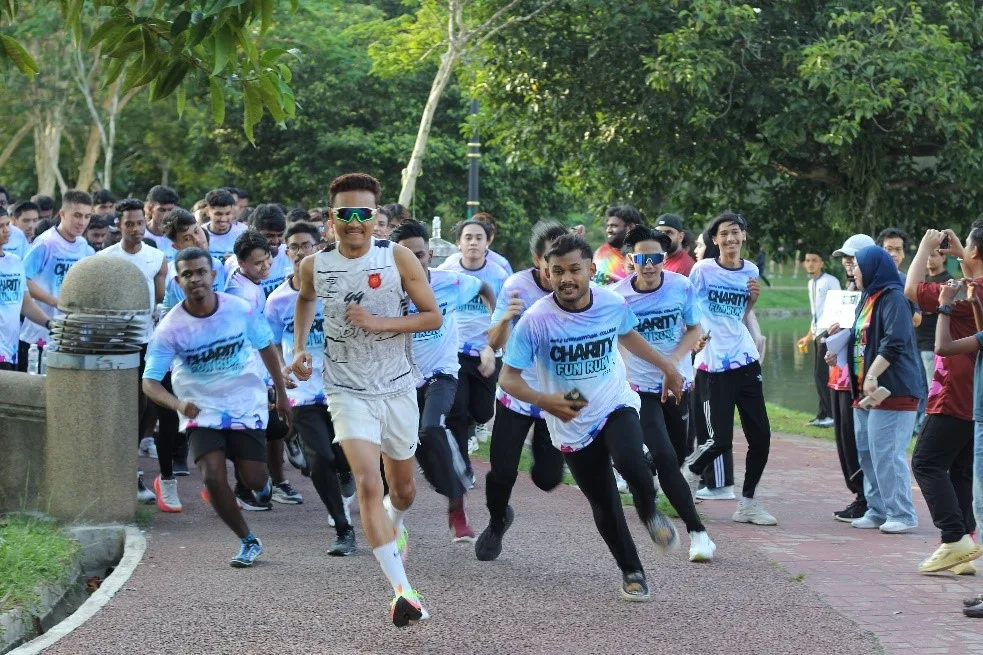
Higher education institutions play a vital role in developing graduates who are not only academically competent but also socially responsible, physically healthy, and actively engaged with their communities. Co-curricular activities that combine health promotion, community service, and charitable initiatives provide students with opportunities to develop essential life skills beyond the classroom. One such initiative is the Charity Fun Run 2025, organised by Goon International College in collaboration with Dewan Bandaraya Kuala Lumpur (DBKL) and Yayasan Pembangunan Generasi Baru Malaysia. Held on 25 May 2025 at Taman Tasik Permaisuri, Cheras, the programme attracted 1,679 participants, including students, staff, and members of the public. The event was designed to promote healthy living, encourage community participation, and raise funds for charitable causes while supporting the college's Corporate Social Responsibility (CSR) initiatives.

One of the programme's primary objectives was to encourage healthy lifestyle practices through recreational physical activities. Physical inactivity has become an increasing concern among young adults due to sedentary lifestyles and technological dependence. The Charity Fun Run provided participants with an enjoyable platform to engage in physical exercise while promoting awareness of the importance of maintaining good health. Activities such as the charity run and Zumba fitness session encouraged participants to improve their physical fitness in a supportive and enjoyable environment. These activities also served as effective stress-relief opportunities, allowing students and staff to balance academic responsibilities with physical well-being. By incorporating exercise into a community event, the programme successfully demonstrated that health promotion can be both meaningful and enjoyable.

Beyond promoting physical wellness, the programme successfully fostered social responsibility through charitable engagement. The event aimed to raise funds that would be channelled towards charitable organisations and welfare projects supporting individuals in need. Participants were encouraged to recognise the importance of contributing to society while developing empathy towards underprivileged communities. The donation handover ceremony symbolised the programme's commitment to giving back to society and reinforced values such as compassion, generosity, and civic responsibility. Through active participation in fundraising activities, students gained a deeper appreciation of community service and the positive impact that collective efforts can have on improving the lives of others.

The Charity Fun Run also provided valuable opportunities for students to develop essential soft skills. Throughout the programme, participants and organising committee members were actively involved in event planning, registration, crowd management, logistics, and volunteer coordination. These responsibilities enhanced students' communication, teamwork, leadership, problem-solving, and organisational abilities. Working collaboratively with peers, staff members, and external agencies enabled students to experience real-world event management while strengthening interpersonal relationships. Such experiential learning opportunities complement formal academic education by preparing students with transferable skills that are highly valued in future workplaces.

An important factor contributing to the programme's success was the collaboration between Goon International College, Dewan Bandaraya Kuala Lumpur (DBKL), and Yayasan Pembangunan Generasi Baru Malaysia. These partnerships strengthened the programme by combining institutional resources, expertise, and community networks. Collaboration with external stakeholders enhanced the programme's credibility while expanding its reach beyond the college community. Furthermore, such partnerships demonstrate how higher education institutions can work together with government agencies and non-governmental organisations to organise impactful community-based programmes that benefit both students and society. The programme therefore served as an excellent example of effective multi-stakeholder collaboration in achieving shared educational and social objectives.

The programme also demonstrated strong alignment with several United Nations Sustainable Development Goals (SDGs). It contributed to SDG 3 (Good Health and Well-being) by encouraging active lifestyles and promoting health awareness among participants. The programme supported SDG 4 (Quality Education) by developing students' life skills, teamwork, and civic values through experiential learning. It also addressed SDG 10 (Reduced Inequalities) by raising funds to support underprivileged individuals and charitable initiatives. Furthermore, the use of a public recreational space encouraged community participation, supporting SDG 11 (Sustainable Cities and Communities), while collaboration with DBKL reflected the principles of SDG 17 (Partnerships for the Goals). These contributions illustrate how community service programmes can simultaneously advance educational outcomes and global sustainability objectives.

Despite the programme's overall success, several operational challenges were identified. Time management during scheduled activities, coordination among volunteers, and participant movement during registration and post-run sessions presented organisational difficulties. These challenges highlighted the importance of comprehensive event planning, clear delegation of responsibilities, and effective communication among organising committee members. Addressing these issues through improved scheduling, volunteer training, and participant management strategies would contribute to smoother implementation of similar programmes in the future.

The programme report also provided several recommendations for future improvement. These include strengthening planning and coordination by assigning clearer responsibilities to organising committee members, improving time management throughout programme implementation, and enhancing participant flow to ensure efficient event operations. Implementing these recommendations would improve the overall participant experience while increasing the effectiveness of future charity events. Continued collaboration with external agencies and greater student involvement would further strengthen the programme's long-term impact on community engagement and student development.

In conclusion, the Charity Fun Run 2025 successfully achieved its objectives of promoting healthy lifestyles, encouraging social responsibility, supporting charitable causes, and strengthening collaboration between educational institutions and community organisations. The participation of 1,679 individuals reflects the programme's strong appeal and positive community impact. Through its combination of physical activity, fundraising, volunteerism, and experiential learning, the programme contributed significantly to students' personal development while fostering stronger relationships between the college and the wider community. The programme serves as an excellent model of holistic education that integrates health promotion, community service, and social responsibility. Continued implementation of similar initiatives will further develop socially responsible, physically active, and community-oriented graduates who are prepared to contribute positively to society.
Read Details
HARI KERJAYA & KAUNSELING 2025

HARI KERJAYA & KAUNSELING 2025

The Role of Career and Counselling Programmes in Enhancing Students' Career Readiness and Holistic Development: A Reflection on Hari Kerjaya & Kaunseling 2025

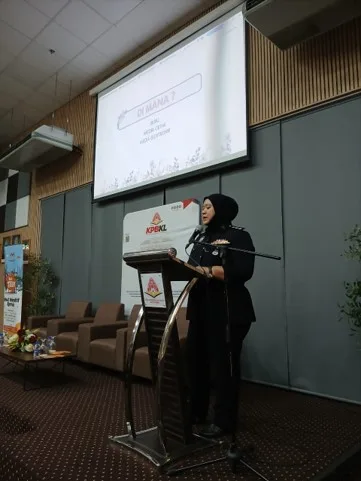
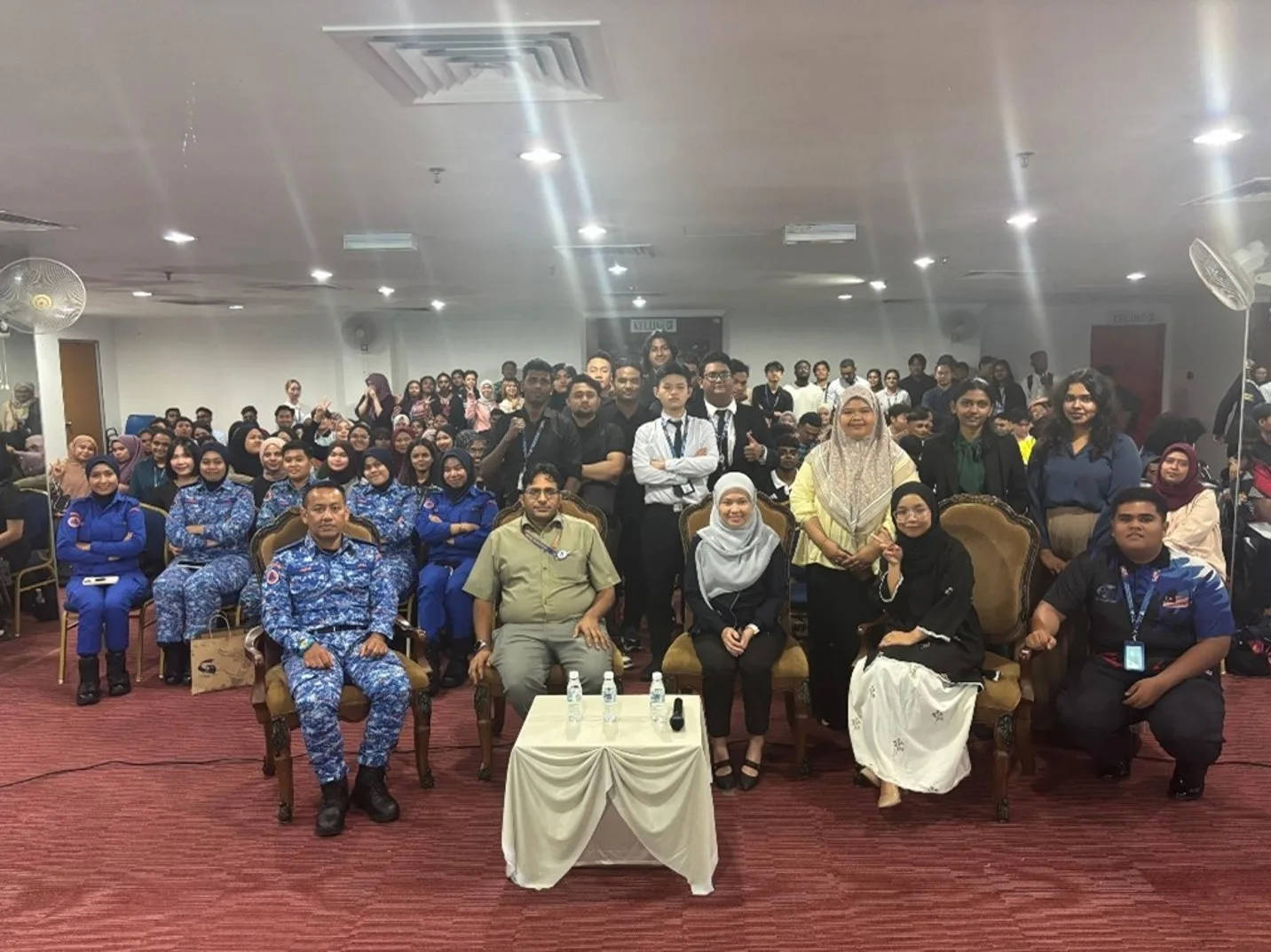
Career development and mental well-being have become increasingly important aspects of higher education as institutions strive to prepare students for the demands of the modern workforce. Beyond academic achievement, students require career guidance, professional exposure, and emotional resilience to successfully transition into employment. Recognising these needs, Goon International College organised the Hari Kerjaya & Kaunseling 2025 programme in collaboration with Jabatan Latihan Khidmat Negara (JLKN), Angkatan Pertahanan Awam Malaysia (APM), and Polis Diraja Malaysia (PDRM). The programme was designed to provide students with comprehensive career exposure while simultaneously promoting counselling services and mental health awareness. With the participation of 746 students, the programme demonstrated the institution's commitment to holistic student development through collaborative learning and community engagement.

One of the primary strengths of the programme was its emphasis on career awareness and employability. Many college students possess limited knowledge regarding professional career pathways and the competencies required by employers. To address this issue, representatives from JLKN, APM, and PDRM conducted career-sharing sessions that introduced students to employment opportunities within Malaysia's public service sector. These sessions provided valuable information regarding recruitment procedures, job responsibilities, required qualifications, and professional expectations. By interacting directly with experienced professionals, students gained a realistic understanding of workplace demands and the importance of developing technical knowledge alongside essential soft skills such as communication, leadership, teamwork, and problem-solving. Such exposure enables students to make informed career decisions while increasing their confidence in pursuing future employment opportunities.

In addition to career preparation, the programme placed significant importance on counselling and mental health awareness. Emotional well-being has become a growing concern among tertiary students due to academic stress, uncertainty about future careers, financial pressures, and personal challenges. The counselling sessions incorporated into the programme focused on emotional management, resilience, and mental preparedness, encouraging students to recognise the importance of maintaining psychological well-being alongside academic success. By integrating mental health education into a career-focused event, the organisers acknowledged that successful career development requires both professional competence and emotional stability. This balanced approach contributes to producing graduates who are better equipped to manage workplace stress and adapt to changing professional environments.

The success of the programme was also largely attributed to the strong collaboration between Goon International College and external agencies. Strategic partnerships with JLKN, APM, and PDRM enabled students to receive first-hand information from professionals actively serving in their respective organisations. Such collaboration enhanced the credibility of the programme while strengthening institutional relationships between higher education providers and government agencies. Furthermore, the programme demonstrated the value of stakeholder engagement in enriching students' educational experiences beyond classroom learning. These partnerships not only expanded students' career networks but also opened opportunities for future internships, recruitment initiatives, and collaborative educational programmes.

Another significant contribution of the programme was its alignment with the United Nations Sustainable Development Goals (SDGs). Specifically, the programme supported SDG 3 (Good Health and Well-being) by promoting mental health awareness and emotional resilience among students. It also contributed to SDG 4 (Quality Education) through career education and life skills development, SDG 8 (Decent Work and Economic Growth) by improving students' career readiness and employability, and SDG 17 (Partnerships for the Goals) through collaboration between educational institutions and public sector organisations. These alignments demonstrate that career development initiatives can simultaneously contribute to national educational objectives and global sustainable development priorities.

Despite its overall success, several operational challenges were identified during programme implementation. The large number of participants resulted in limited venue capacity, creating space constraints that affected participant comfort. Additionally, technical issues involving audio quality and online clarity, together with environmental noise during sessions, reduced the effectiveness of some presentations. These challenges illustrate the importance of comprehensive event planning, particularly when managing programmes involving large audiences and multiple stakeholders. Addressing these limitations through improved venue selection, upgraded technical facilities, and enhanced logistical coordination would further improve the quality and effectiveness of future programmes.

The programme report also highlighted several recommendations for future improvement. These include organising similar career and counselling programmes regularly, securing larger venues to accommodate increasing student participation, improving audio-visual equipment, increasing interactive learning activities, and strengthening partnerships with additional external agencies. Implementing these recommendations would enhance student engagement while expanding the programme's educational impact. Regular exposure to career guidance and professional networking opportunities can significantly improve students' employability and confidence as they prepare to enter the workforce.

In conclusion, the Hari Kerjaya & Kaunseling 2025 programme successfully achieved its objectives by promoting career awareness, strengthening employability skills, enhancing mental health awareness, and fostering meaningful collaboration between educational institutions and government agencies. The active participation of 746 students reflects the programme's relevance and effectiveness in addressing students' career and personal development needs. Through its integration of career education, counselling services, and stakeholder collaboration, the programme represents an excellent model of holistic student development that supports both institutional goals and the Sustainable Development Goals. Continued implementation and further enhancement of similar initiatives will contribute significantly to producing knowledgeable, resilient, confident, and career-ready graduates capable of meeting the challenges of an increasingly competitive global workforce.

Read Details
PROGRAM GOTONG ROYONG GO CLEAN KL

PROGRAM GOTONG ROYONG GO CLEAN KL

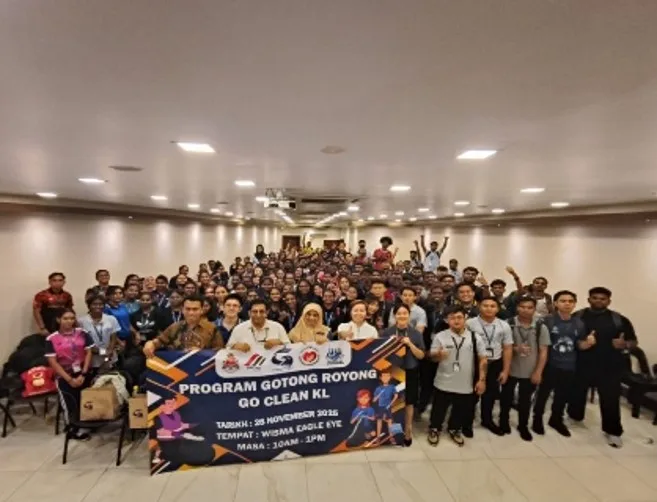
Environmental sustainability and community cleanliness have become increasingly important in addressing the challenges associated with rapid urbanization, waste generation, and declining public awareness of environmental responsibility. Educational institutions play a significant role in cultivating environmentally responsible citizens by providing opportunities for students to engage in meaningful community service activities that promote sustainable practices and civic responsibility. In line with this objective, Goon International College successfully organised the Program Gotong Royong: Go Clean KL on 28 November 2025 in collaboration with Dewan Bandaraya Kuala Lumpur (DBKL) as part of its Corporate Social Responsibility (CSR) initiatives. The programme aimed to enhance students' awareness of environmental cleanliness, encourage active participation in community service, and foster a sense of responsibility towards maintaining clean and healthy public spaces. Held at Wisma Eagle Eye, the programme attracted 416 college students, reflecting a strong commitment among students to participate in environmental conservation and volunteerism. The programme commenced with registration and safety briefings conducted by organisers and DBKL representatives, followed by structured gotong-royong activities that involved waste collection, sweeping, general area maintenance, and proper waste segregation practices. Through these hands-on activities, participants gained practical experience in environmental stewardship while developing essential values such as teamwork, discipline, cooperation, and civic consciousness. The involvement of DBKL provided participants with professional guidance on effective waste management, recycling practices, and environmental sustainability, enabling students to better understand the importance of preserving public spaces for the well-being of the wider community. Beyond improving environmental awareness, the programme also strengthened collaboration between Goon International College and DBKL, demonstrating how partnerships between educational institutions and local authorities can effectively support community-based initiatives. Furthermore, the programme contributed to the achievement of several United Nations Sustainable Development Goals (SDGs), including SDG 3 (Good Health and Well-being) by promoting a cleaner and healthier environment, SDG 11 (Sustainable Cities and Communities) through the maintenance and preservation of public spaces, SDG 12 (Responsible Consumption and Production) by encouraging responsible waste management and waste segregation practices, and SDG 17 (Partnerships for the Goals) through strategic collaboration between the college and DBKL. The programme also produced significant educational benefits, as participants developed important soft skills such as communication, leadership, problem-solving, teamwork, and interpersonal collaboration while working collectively to achieve common environmental objectives. Although several challenges were encountered during programme implementation, including coordinating a large number of participants, ensuring equitable task distribution, managing time efficiently, and adapting to weather conditions and site limitations, these challenges provided valuable learning opportunities for organisers to improve future programme planning and execution. The successful implementation of the programme demonstrated that experiential learning through community engagement can effectively promote long-term behavioural change by encouraging students to adopt environmentally responsible practices in their daily lives. Overall, the Program Gotong Royong: Go Clean KL successfully achieved its objectives by increasing environmental awareness, strengthening community engagement, promoting sustainable practices, and fostering a culture of volunteerism among college students. The programme highlights the importance of collaborative CSR initiatives in nurturing socially responsible, environmentally conscious, and community-oriented graduates who are prepared to contribute positively towards sustainable development and environmental preservation within their communities.

Read Details
PROGRAM KESEDARAN JENAYAH BULI & BAHAYA PERGAULAN BEBAS

PROGRAM KESEDARAN JENAYAH BULI & BAHAYA PERGAULAN BEBAS

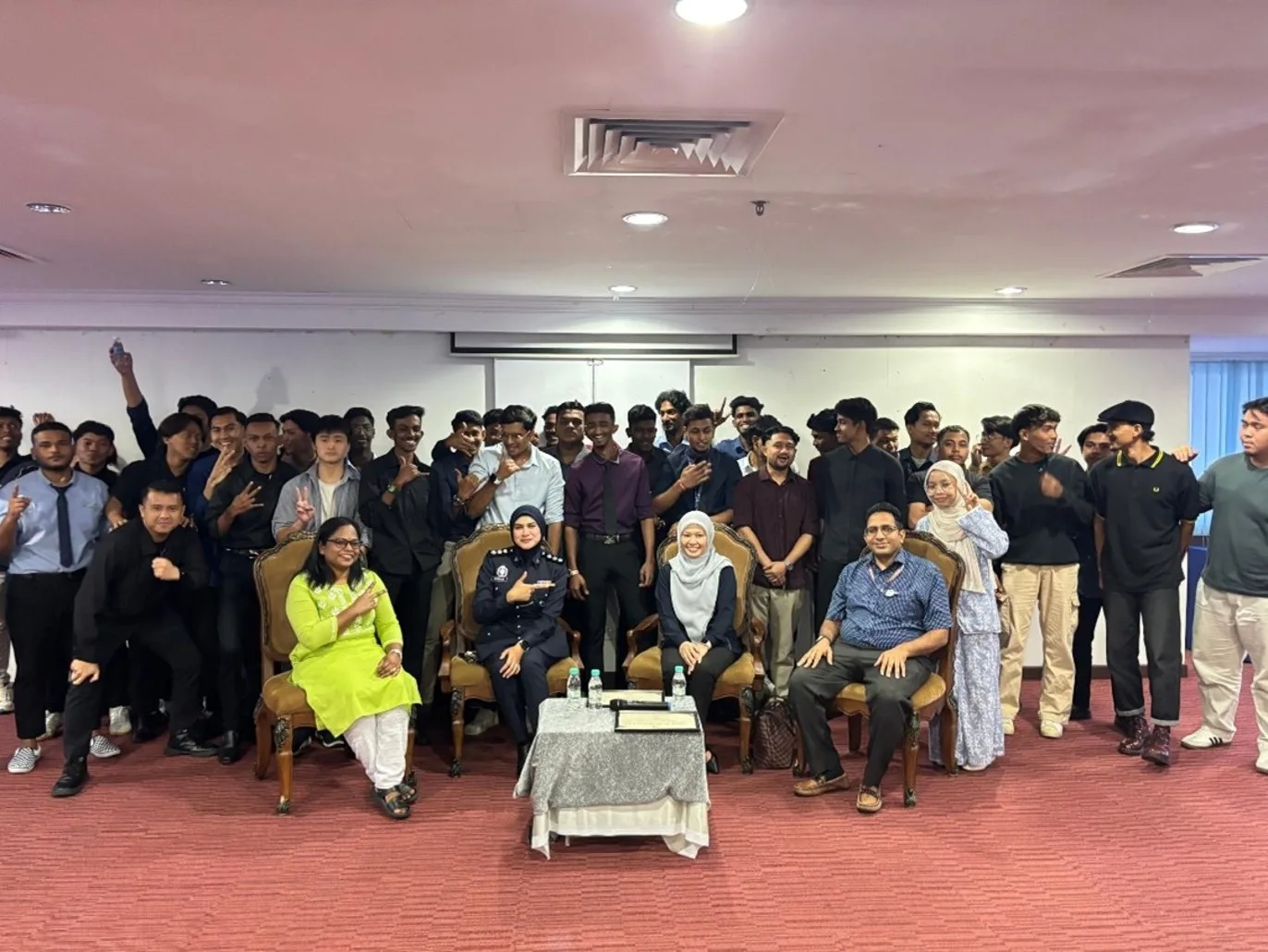
Bullying and unhealthy social behaviour have become increasingly significant concerns among young adults, particularly within higher education institutions, as these issues can negatively affect students' emotional well-being, academic performance, interpersonal relationships, and overall personal development. Recognising the importance of preventive education, Goon International College successfully organised the Program Kesedaran Jenayah Buli & Bahaya Pergaulan Bebas on 3 September 2025 in collaboration with the Royal Malaysia Police (PDRM) and the National Population and Family Development Board (LPPKN). The programme was designed as a comprehensive awareness initiative to educate students about the legal implications of bullying, the risks associated with unhealthy social interactions, and the importance of practising responsible behaviour in both academic and social settings. Held at Level 12 of Goon International College, the programme attracted 233 college students, demonstrating a high level of participation and interest in issues related to student safety, emotional well-being, and social responsibility. Throughout the eight-hour programme, participants attended a series of structured activities that included expert-led awareness talks, educational sharing sessions, real-life case studies, interactive discussions, and question-and-answer sessions facilitated by representatives from PDRM and LPPKN. The involvement of these professional agencies enabled students to gain first-hand knowledge of the legal consequences of bullying, strategies for preventing harmful social behaviour, and practical approaches to making informed and responsible life decisions. The interactive nature of the programme encouraged students to actively participate, express their opinions, and engage in meaningful discussions about contemporary social challenges faced by young adults. The programme also highlighted the importance of emotional intelligence, self-control, mutual respect, and ethical decision-making as essential qualities for maintaining positive relationships and creating a safe learning environment. In addition to increasing awareness of bullying and risky social behaviour, the programme contributed to the development of essential soft skills, including communication, critical thinking, problem-solving, and responsible citizenship. The collaborative effort between Goon International College, PDRM, and LPPKN demonstrated the value of multi-agency partnerships in addressing social issues through education rather than solely relying on enforcement measures. Furthermore, the programme aligned with several United Nations Sustainable Development Goals (SDGs), particularly SDG 3 (Good Health and Well-being) by promoting emotional and psychological well-being, SDG 4 (Quality Education) by providing students with life skills and behavioural education, SDG 5 (Gender Equality) by encouraging mutual respect and the prevention of harmful social behaviours, and SDG 17 (Partnerships for the Goals) by strengthening collaboration between educational institutions and government agencies. Although the organisers encountered several operational challenges, including limited venue capacity due to unexpectedly high student participation, temporary lift malfunctions, and time management constraints during programme implementation, these issues provided valuable lessons for improving future planning, logistics, and programme delivery. Overall, the Program Kesedaran Jenayah Buli & Bahaya Pergaulan Bebas successfully achieved its objectives by enhancing students' awareness of bullying, legal responsibilities, emotional well-being, and positive social behaviour while fostering a safer, more informed, and socially responsible student community. The programme illustrates how collaborative awareness initiatives can play a significant role in supporting holistic student development and strengthening institutional efforts to cultivate responsible, ethical, and resilient graduates who are better prepared to contribute positively to society.
Read Details
PROGRAM SINAR MAHASISWA: MINDA SIHAT TANPA PORNOGRAFI

PROGRAM SINAR MAHASISWA: MINDA SIHAT TANPA PORNOGRAFI

The Program Sinar Mahasiswa: Healthy Minds Without Pornography
The Program Sinar Mahasiswa: Healthy Minds Without Pornography was
organised by the National Population and Family Development Board (LPPKN) in
collaboration with Goon International College as part of its Corporate Social
Responsibility (CSR) initiative. The programme was held on 12 August 2025 at Kolej
Profesional MAIWP, Kuala Lumpur, bringing together approximately 150 students
from various public and private higher education institutions, including 43 students
from Goon International College. The programme was designed to increase awareness among young adults
regarding mental health and the harmful effects of pornography on individuals,
families, and society. In today's digital era, students have easier access to online
content than ever before. While technology provides educational opportunities, it also
exposes young people to inappropriate materials that may negatively influence their
psychological well-being, behaviour, relationships, and academic performance. Therefore, educational programmes such as this are essential in helping students
make responsible decisions, develop emotional resilience, and maintain positive
values.The programme also supported Sustainable Development Goal (SDG) 3:
Good Health and Well-being, highlighting the importance of promoting mental
wellness and healthy lifestyles among youth. Programme Objectives
The programme was organised with several important objectives in mind. Firstly, it aimed to increase students' awareness of the negative effects of
pornography on mental health, emotional well-being, and personal relationships. Secondly, it sought to promote positive mental health by encouraging students to
develop healthy coping mechanisms and responsible decision-making skills. Another
objective was to encourage ethical behaviour and strengthen students' understanding of moral and social responsibilities. Finally, the programme aimed to
strengthen collaboration between LPPKN and higher education institutions in
delivering meaningful community-based educational initiatives. Background of the Programme
Mental health has become one of the most significant issues affecting
university and college students. Academic pressure, family expectations, financial
concerns, and social media influence have contributed to increasing levels of stress, anxiety, and emotional challenges among young adults. At the same time, unrestricted access to inappropriate online content, particularly pornography, has
become another growing concern. Pornography can negatively affect an individual's perception of relationships, self-esteem, emotional control, and behaviour. Excessive exposure may also
contribute to addiction, poor academic performance, reduced concentration, and
unhealthy social interactions. Recognising these concerns, LPPKN organised this
programme to provide accurate information, professional guidance, and practical
strategies for maintaining good mental health while encouraging responsible digital
behaviour.

The collaboration between LPPKN and Goon International College
demonstrates the importance of partnerships between government agencies and
educational institutions in promoting holistic student development and social
responsibility. Programme Implementation
The programme was conducted from 8.00 a.m. until 1.30 p.m. following the
official schedule prepared by LPPKN. Initially, Goon International College was
allocated only 15 participant slots through the official invitation. However, due to
lower participation from several private higher education institutions, LPPKN
extended additional participation opportunities to Goon International College. The college responded efficiently by recruiting more interested students,
increasing its total participation to 43 students. Overall, the programme attracted
approximately 150 participants from various public and private higher education
institutions throughout Kuala Lumpur. Throughout the programme, students actively participated in awareness talks,
interactive discussions, psychological sharing sessions, and legal awareness
presentations conducted by LPPKN representatives and invited speakers. The
programme created a positive learning environment where students were
encouraged to ask questions, share opinions, and reflect on real life situations
related to mental health and responsible behavior. Programme Activities
The programme followed a structured schedule designed to maximise student
engagement and learning. Registration and breakfast began at 8.00 a.m., allowing
participants to register and interact with students from other institutions. This was
followed by the KafeTEEN promotion session, which introduced the services and
support available for young people. The first awareness session focused on understanding mental health and the
dangers associated with pornography. Professional speakers explained how
exposure to inappropriate content can affect emotional stability, relationships, and
future life decisions. The second session involved psychological sharing, where participants
learned practical techniques for managing stress, controlling emotions, and
developing healthy coping strategies. This session encouraged students to recognise
early signs of emotional distress and seek professional help when necessary. The third session was delivered by representatives from the Royal Malaysia
Police (PDRM), focusing on legal awareness. Students were informed about
Malaysian laws related to pornography, cybercrime, and responsible online behaviour. The programme concluded with a closing ceremony and certificate presentation, recognising participants' active involvement. Role of Goon International College
Goon International College played a major role in ensuring the programme's
success. The college served as the main liaison between LPPKN and participating
students by coordinating communication, disseminating programme information, and
managing student registration and attendance.

In addition, the college prepared students before the programme by
explaining its objectives, expected learning outcomes, and the importance of
participating actively. This preparation helped students understand the programme's
relevance to their personal and academic development. The college also provided administrative and logistical support, including
attendance monitoring, documentation management, and transportation
arrangements where necessary. After the programme, students were encouraged to
share the knowledge they had gained with their classmates and peers, extending the
programme's impact beyond the event itself. Furthermore, the collaboration strengthened the long-term partnership
between Goon International College and LPPKN, supporting future Corporate Social
Responsibility (CSR) initiatives that benefit students and the wider community. Programme Outcomes and Impact
The programme produced several positive outcomes for both students and
participating institutions. Students gained a better understanding of the relationship
between mental health, emotional well-being, and responsible behaviour. They
became more aware of the harmful effects of pornography and learned practical
strategies to protect themselves from negative online influences. The programme also improved students' communication skills, critical thinking
abilities, self-awareness, and confidence through interactive discussions and group
participation. Many participants demonstrated increased willingness to discuss
sensitive topics openly and respectfully, helping to reduce stigma surrounding mental
health issues. From an institutional perspective, the programme strengthened collaboration
among multiple higher education institutions and government agencies. The
participation of approximately 150 students demonstrated strong commitment
towards community engagement and student development. The programme also contributed directly to Sustainable Development Goal
(SDG) 3: Good Health and Well-being by promoting mental health awareness, encouraging positive behavioural change, and supporting students' overall well-being. Challenges Faced
Although the programme was successfully implemented, several challenges
were encountered during its organisation. One of the primary challenges involved
uneven participation among participating higher education institutions. Some
institutions were unable to fill their allocated participant quotas, requiring LPPKN to
reallocate available places to Goon International College at short notice. Fortunately, Goon International College responded promptly by recruiting
additional students, demonstrating flexibility, effective communication, and strong
organisational capability. Another lesson learned was that interactive programme
formats were significantly more effective than traditional lecture-based sessions. Students were more willing to participate actively when discussions, question-and- answer sessions, and real-life examples were incorporated into the presentations.

Recommendations
Several recommendations can be made to improve future programmes. Firstly, similar awareness programmes should continue to be organised regularly to
educate more students on mental health and responsible digital behaviour. Continuous exposure to these topics will help reinforce positive attitudes and healthy
lifestyles. Secondly, greater collaboration among higher education institutions should be
encouraged to increase participation and knowledge sharing. Institutions should also
promote these programmes earlier to ensure higher student attendance. Thirdly, organisers should increase the number of interactive activities, such
as group discussions, case studies, role-playing, and mental health workshops. These activities encourage deeper understanding and greater student engagement. Finally, future programmes should expand their outreach through online
platforms and social media campaigns to reach students who may not be able to
attend physically. This would further strengthen public awareness and maximise the
programme's overall impact.
In conclusion, the Program Sinar Mahasiswa: Healthy Minds Without
Pornography successfully achieved its objectives of promoting mental health
awareness, encouraging responsible behaviour, and educating students about the
negative consequences of pornography. Through collaboration between LPPKN and
Goon International College, the programme provided valuable knowledge, encouraged positive behavioural change, and strengthened students' emotional
resilience. The active participation of 43 students from Goon International College,
together with approximately 150 participants from various higher education
institutions, reflected the programme's success and the strong commitment of all
stakeholders. The programme not only enhanced students' understanding of mental
health but also contributed to their personal growth, communication skills, and ethical
awareness. Overall, this initiative demonstrates the importance of collaborative
educational programmes in developing responsible, resilient, and socially aware
graduates. Continued partnerships between educational institutions and government
agencies will ensure that similar programmes continue to benefit future generations
while contributing to national development and the achievement of Sustainable
Development Goal 3: Good Health and Well-being.

Read Details
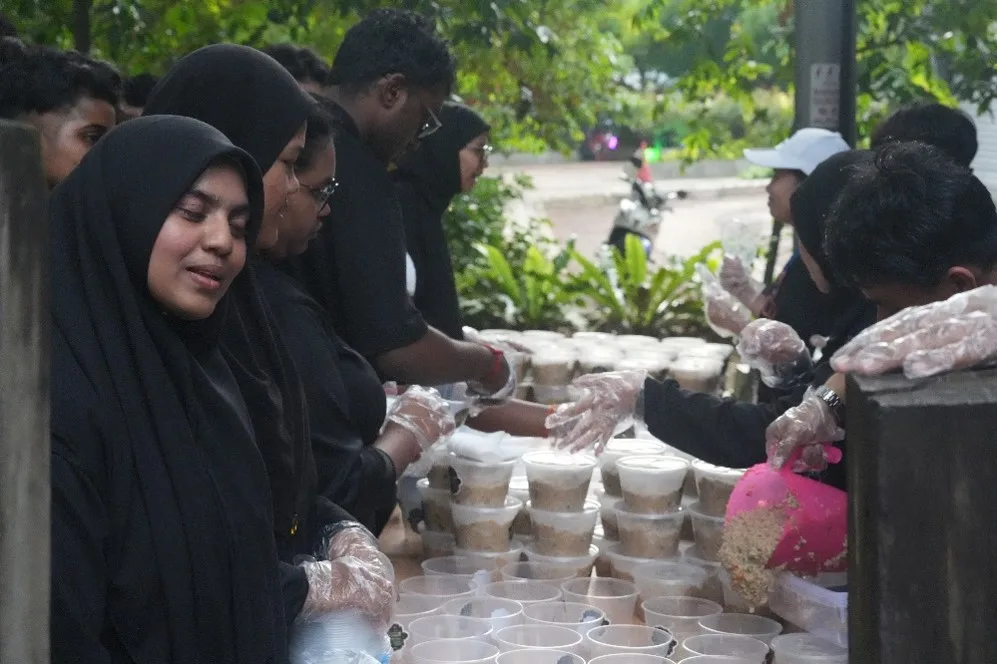
Program Bubur Lambuk Ramadan 2025 Goon International College : A Corporate Social Responsibility Initiative for Community Engagement and  Student Development

Program Bubur Lambuk Ramadan 2025 Goon International College : A Corporate Social Responsibility Initiative for Community Engagement and Student Development

This article explains why customer experience has become a major competitive advantage for businesses. It highlights how better communication, personalisation and service quality can build trust, improve loyalty and help a company stand out in a competitive market.

Read Details