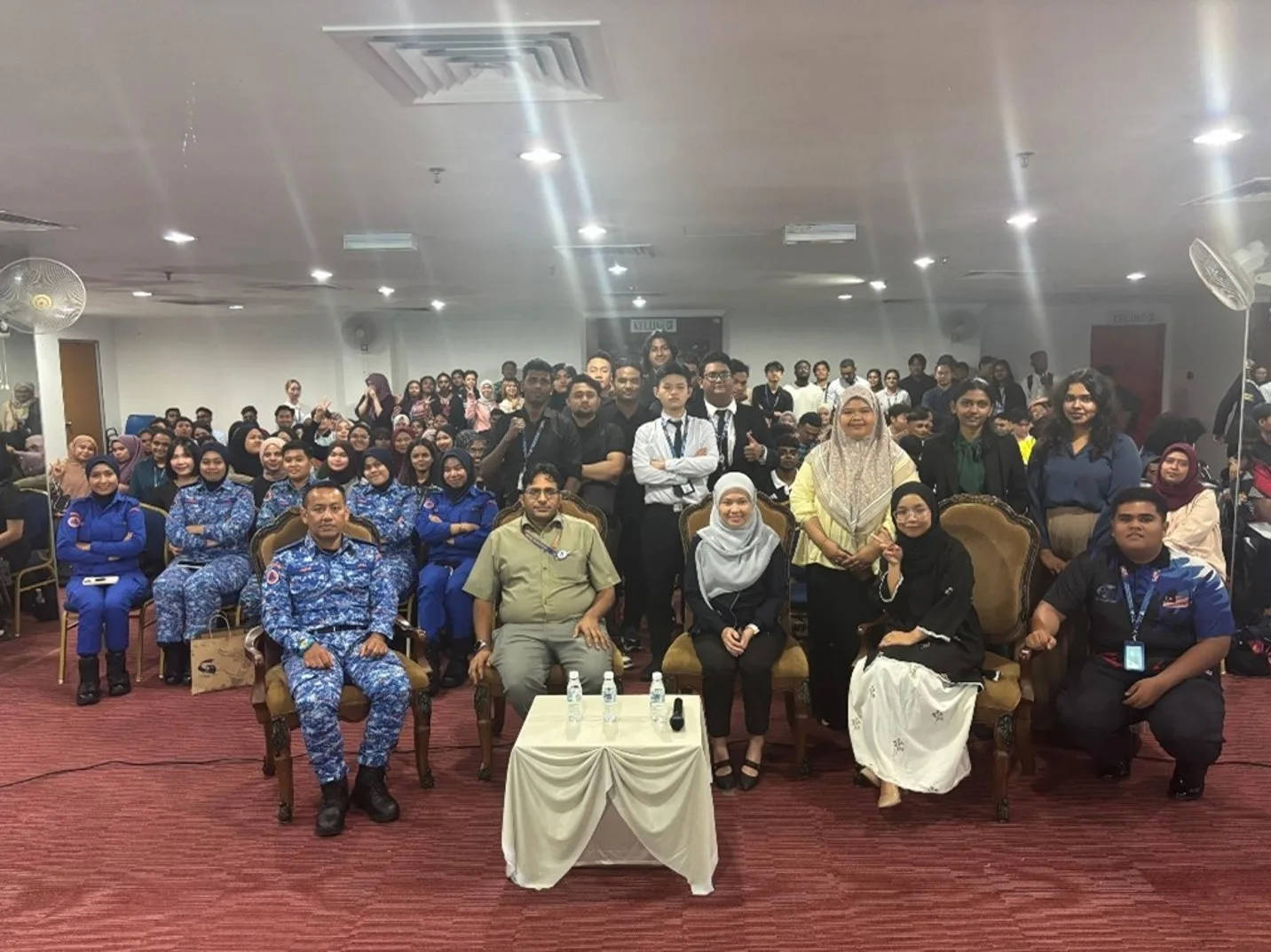
HARI KERJAYA & KAUNSELING 2025
The Role of Career and Counselling Programmes in Enhancing Students' Career Readiness and Holistic Development: A Reflection on Hari Kerjaya & Kaunseling 2025
Career development and mental well-being have become increasingly important aspects of higher education as institutions strive to prepare students for the demands of the modern workforce. Beyond academic achievement, students require career guidance, professional exposure, and emotional resilience to successfully transition into employment. Recognising these needs, Goon International College organised the Hari Kerjaya & Kaunseling 2025 programme in collaboration with Jabatan Latihan Khidmat Negara (JLKN), Angkatan Pertahanan Awam Malaysia (APM), and Polis Diraja Malaysia (PDRM). The programme was designed to provide students with comprehensive career exposure while simultaneously promoting counselling services and mental health awareness. With the participation of 746 students, the programme demonstrated the institution's commitment to holistic student development through collaborative learning and community engagement.
One of the primary strengths of the programme was its emphasis on career awareness and employability. Many college students possess limited knowledge regarding professional career pathways and the competencies required by employers. To address this issue, representatives from JLKN, APM, and PDRM conducted career-sharing sessions that introduced students to employment opportunities within Malaysia's public service sector. These sessions provided valuable information regarding recruitment procedures, job responsibilities, required qualifications, and professional expectations. By interacting directly with experienced professionals, students gained a realistic understanding of workplace demands and the importance of developing technical knowledge alongside essential soft skills such as communication, leadership, teamwork, and problem-solving. Such exposure enables students to make informed career decisions while increasing their confidence in pursuing future employment opportunities.
In addition to career preparation, the programme placed significant importance on counselling and mental health awareness. Emotional well-being has become a growing concern among tertiary students due to academic stress, uncertainty about future careers, financial pressures, and personal challenges. The counselling sessions incorporated into the programme focused on emotional management, resilience, and mental preparedness, encouraging students to recognise the importance of maintaining psychological well-being alongside academic success. By integrating mental health education into a career-focused event, the organisers acknowledged that successful career development requires both professional competence and emotional stability. This balanced approach contributes to producing graduates who are better equipped to manage workplace stress and adapt to changing professional environments.
The success of the programme was also largely attributed to the strong collaboration between Goon International College and external agencies. Strategic partnerships with JLKN, APM, and PDRM enabled students to receive first-hand information from professionals actively serving in their respective organisations. Such collaboration enhanced the credibility of the programme while strengthening institutional relationships between higher education providers and government agencies. Furthermore, the programme demonstrated the value of stakeholder engagement in enriching students' educational experiences beyond classroom learning. These partnerships not only expanded students' career networks but also opened opportunities for future internships, recruitment initiatives, and collaborative educational programmes.
Another significant contribution of the programme was its alignment with the United Nations Sustainable Development Goals (SDGs). Specifically, the programme supported SDG 3 (Good Health and Well-being) by promoting mental health awareness and emotional resilience among students. It also contributed to SDG 4 (Quality Education) through career education and life skills development, SDG 8 (Decent Work and Economic Growth) by improving students' career readiness and employability, and SDG 17 (Partnerships for the Goals) through collaboration between educational institutions and public sector organisations. These alignments demonstrate that career development initiatives can simultaneously contribute to national educational objectives and global sustainable development priorities.
Despite its overall success, several operational challenges were identified during programme implementation. The large number of participants resulted in limited venue capacity, creating space constraints that affected participant comfort. Additionally, technical issues involving audio quality and online clarity, together with environmental noise during sessions, reduced the effectiveness of some presentations. These challenges illustrate the importance of comprehensive event planning, particularly when managing programmes involving large audiences and multiple stakeholders. Addressing these limitations through improved venue selection, upgraded technical facilities, and enhanced logistical coordination would further improve the quality and effectiveness of future programmes.
The programme report also highlighted several recommendations for future improvement. These include organising similar career and counselling programmes regularly, securing larger venues to accommodate increasing student participation, improving audio-visual equipment, increasing interactive learning activities, and strengthening partnerships with additional external agencies. Implementing these recommendations would enhance student engagement while expanding the programme's educational impact. Regular exposure to career guidance and professional networking opportunities can significantly improve students' employability and confidence as they prepare to enter the workforce.
In conclusion, the Hari Kerjaya & Kaunseling 2025 programme successfully achieved its objectives by promoting career awareness, strengthening employability skills, enhancing mental health awareness, and fostering meaningful collaboration between educational institutions and government agencies. The active participation of 746 students reflects the programme's relevance and effectiveness in addressing students' career and personal development needs. Through its integration of career education, counselling services, and stakeholder collaboration, the programme represents an excellent model of holistic student development that supports both institutional goals and the Sustainable Development Goals. Continued implementation and further enhancement of similar initiatives will contribute significantly to producing knowledgeable, resilient, confident, and career-ready graduates capable of meeting the challenges of an increasingly competitive global workforce.