Goon International College Programmes: Study Pathways for Students in Malaysia
All 11 GIC programmes with durations, KPT/MQA references and study pathways from SPM to diploma and degree.
All 11 GIC programmes with durations, KPT/MQA references and study pathways from SPM to diploma and degree.

Compare the Diploma in Early Childhood Education and the Bachelor of Early Childhood Education (3+0) to choose the right pathway.
Compare the Diploma in Law Enforcement Management and the Diploma in Policing and Criminal Investigation: focus, careers, PDRM entry and degree routes.
Official alumni community of Goon International College, connecting graduates, fostering professional networks, and maintaining lifelong engagement with the College.
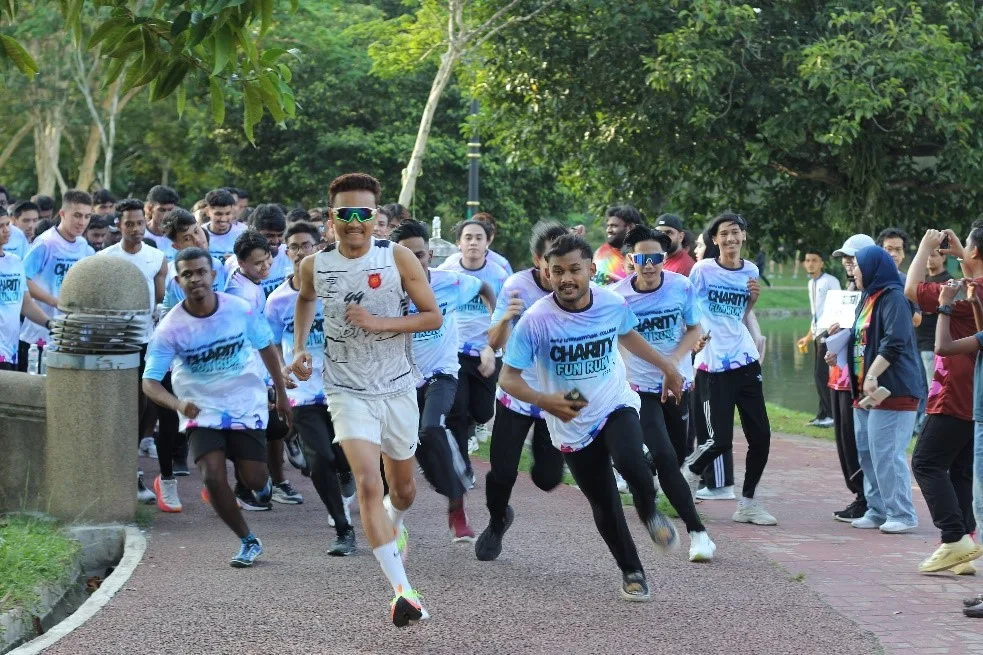
Promoting Healthy Lifestyles and Social Responsibility Through Community Engagement: A Reflection on the Charity Fun Run 2025 Programme
Higher education institutions play a vital role in developing graduates who are not only academically competent but also socially responsible, physically healthy, and actively engaged with their communities. Co-curricular activities that combine health promotion, community service, and charitable initiatives provide students with opportunities to develop essential life skills beyond the classroom. One such initiative is the Charity Fun Run 2025, organised by Goon International College in collaboration with Dewan Bandaraya Kuala Lumpur (DBKL) and Yayasan Pembangunan Generasi Baru Malaysia. Held on 25 May 2025 at Taman Tasik Permaisuri, Cheras, the programme attracted 1,679 participants, including students, staff, and members of the public. The event was designed to promote healthy living, encourage community participation, and raise funds for charitable causes while supporting the college's Corporate Social Responsibility (CSR) initiatives.
One of the programme's primary objectives was to encourage healthy lifestyle practices through recreational physical activities. Physical inactivity has become an increasing concern among young adults due to sedentary lifestyles and technological dependence. The Charity Fun Run provided participants with an enjoyable platform to engage in physical exercise while promoting awareness of the importance of maintaining good health. Activities such as the charity run and Zumba fitness session encouraged participants to improve their physical fitness in a supportive and enjoyable environment. These activities also served as effective stress-relief opportunities, allowing students and staff to balance academic responsibilities with physical well-being. By incorporating exercise into a community event, the programme successfully demonstrated that health promotion can be both meaningful and enjoyable.
Beyond promoting physical wellness, the programme successfully fostered social responsibility through charitable engagement. The event aimed to raise funds that would be channelled towards charitable organisations and welfare projects supporting individuals in need. Participants were encouraged to recognise the importance of contributing to society while developing empathy towards underprivileged communities. The donation handover ceremony symbolised the programme's commitment to giving back to society and reinforced values such as compassion, generosity, and civic responsibility. Through active participation in fundraising activities, students gained a deeper appreciation of community service and the positive impact that collective efforts can have on improving the lives of others.
The Charity Fun Run also provided valuable opportunities for students to develop essential soft skills. Throughout the programme, participants and organising committee members were actively involved in event planning, registration, crowd management, logistics, and volunteer coordination. These responsibilities enhanced students' communication, teamwork, leadership, problem-solving, and organisational abilities. Working collaboratively with peers, staff members, and external agencies enabled students to experience real-world event management while strengthening interpersonal relationships. Such experiential learning opportunities complement formal academic education by preparing students with transferable skills that are highly valued in future workplaces.
An important factor contributing to the programme's success was the collaboration between Goon International College, Dewan Bandaraya Kuala Lumpur (DBKL), and Yayasan Pembangunan Generasi Baru Malaysia. These partnerships strengthened the programme by combining institutional resources, expertise, and community networks. Collaboration with external stakeholders enhanced the programme's credibility while expanding its reach beyond the college community. Furthermore, such partnerships demonstrate how higher education institutions can work together with government agencies and non-governmental organisations to organise impactful community-based programmes that benefit both students and society. The programme therefore served as an excellent example of effective multi-stakeholder collaboration in achieving shared educational and social objectives.
The programme also demonstrated strong alignment with several United Nations Sustainable Development Goals (SDGs). It contributed to SDG 3 (Good Health and Well-being) by encouraging active lifestyles and promoting health awareness among participants. The programme supported SDG 4 (Quality Education) by developing students' life skills, teamwork, and civic values through experiential learning. It also addressed SDG 10 (Reduced Inequalities) by raising funds to support underprivileged individuals and charitable initiatives. Furthermore, the use of a public recreational space encouraged community participation, supporting SDG 11 (Sustainable Cities and Communities), while collaboration with DBKL reflected the principles of SDG 17 (Partnerships for the Goals). These contributions illustrate how community service programmes can simultaneously advance educational outcomes and global sustainability objectives.
Despite the programme's overall success, several operational challenges were identified. Time management during scheduled activities, coordination among volunteers, and participant movement during registration and post-run sessions presented organisational difficulties. These challenges highlighted the importance of comprehensive event planning, clear delegation of responsibilities, and effective communication among organising committee members. Addressing these issues through improved scheduling, volunteer training, and participant management strategies would contribute to smoother implementation of similar programmes in the future.
The programme report also provided several recommendations for future improvement. These include strengthening planning and coordination by assigning clearer responsibilities to organising committee members, improving time management throughout programme implementation, and enhancing participant flow to ensure efficient event operations. Implementing these recommendations would improve the overall participant experience while increasing the effectiveness of future charity events. Continued collaboration with external agencies and greater student involvement would further strengthen the programme's long-term impact on community engagement and student development.
In conclusion, the Charity Fun Run 2025 successfully achieved its objectives of promoting healthy lifestyles, encouraging social responsibility, supporting charitable causes, and strengthening collaboration between educational institutions and community organisations. The participation of 1,679 individuals reflects the programme's strong appeal and positive community impact. Through its combination of physical activity, fundraising, volunteerism, and experiential learning, the programme contributed significantly to students' personal development while fostering stronger relationships between the college and the wider community. The programme serves as an excellent model of holistic education that integrates health promotion, community service, and social responsibility. Continued implementation of similar initiatives will further develop socially responsible, physically active, and community-oriented graduates who are prepared to contribute positively to society.
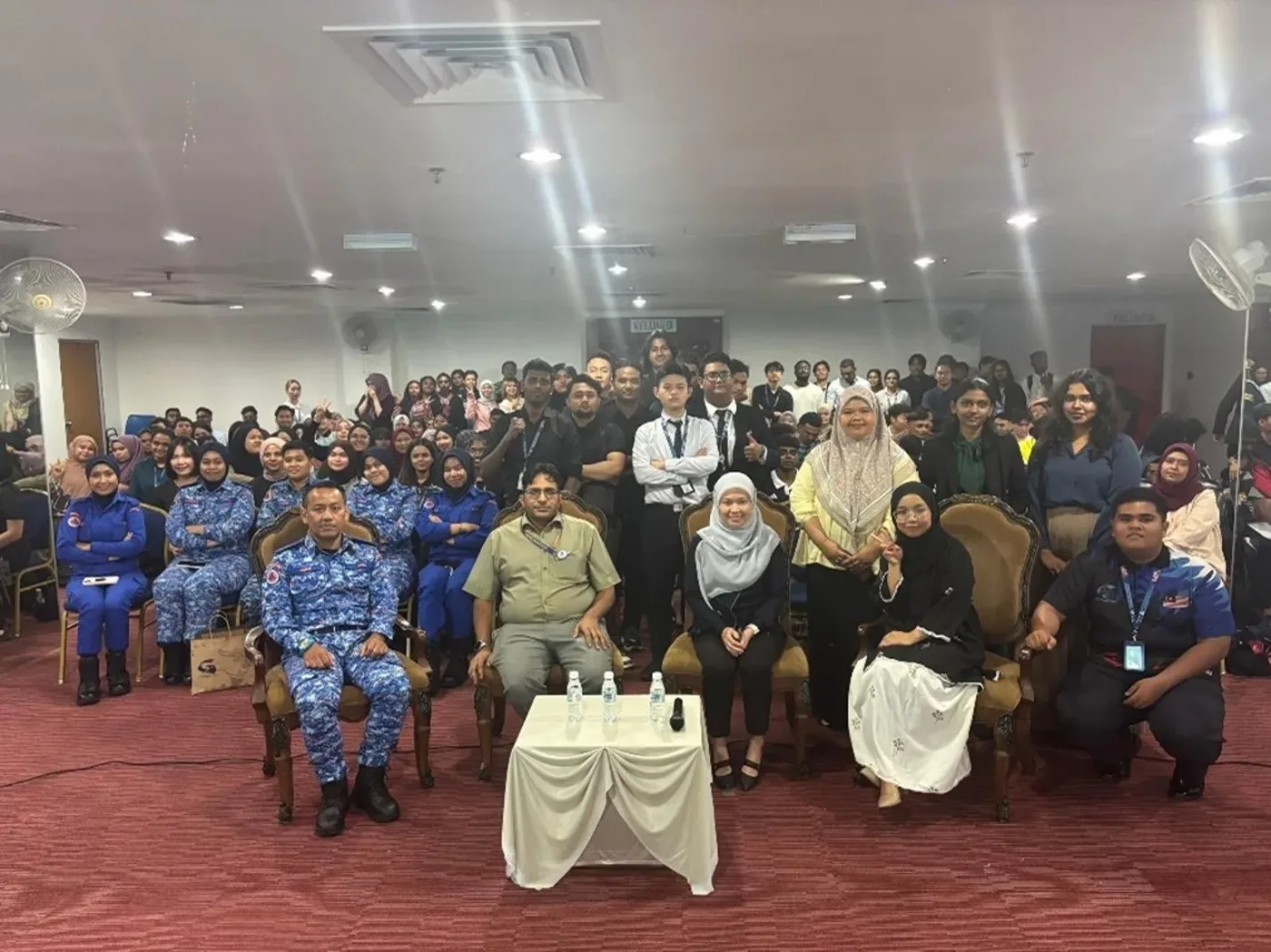
The Role of Career and Counselling Programmes in Enhancing Students' Career Readiness and Holistic Development: A Reflection on Hari Kerjaya & Kaunseling 2025
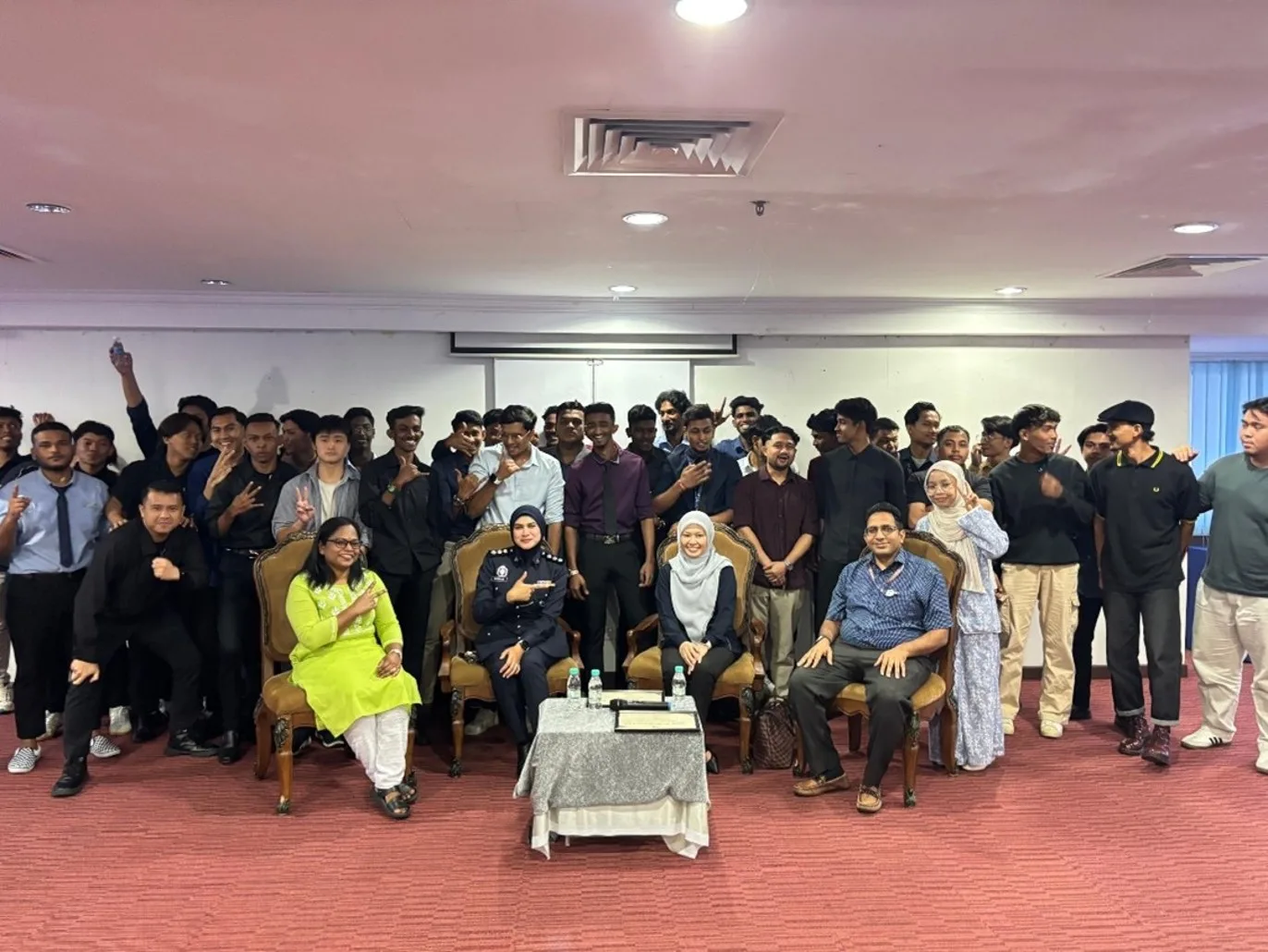
Career development and mental well-being have become increasingly important aspects of higher education as institutions strive to prepare students for the demands of the modern workforce. Beyond academic achievement, students require career guidance, professional exposure, and emotional resilience to successfully transition into employment. Recognising these needs, Goon International College organised the Hari Kerjaya & Kaunseling 2025 programme in collaboration with Jabatan Latihan Khidmat Negara (JLKN), Angkatan Pertahanan Awam Malaysia (APM), and Polis Diraja Malaysia (PDRM). The programme was designed to provide students with comprehensive career exposure while simultaneously promoting counselling services and mental health awareness. With the participation of 746 students, the programme demonstrated the institution's commitment to holistic student development through collaborative learning and community engagement.
One of the primary strengths of the programme was its emphasis on career awareness and employability. Many college students possess limited knowledge regarding professional career pathways and the competencies required by employers. To address this issue, representatives from JLKN, APM, and PDRM conducted career-sharing sessions that introduced students to employment opportunities within Malaysia's public service sector. These sessions provided valuable information regarding recruitment procedures, job responsibilities, required qualifications, and professional expectations. By interacting directly with experienced professionals, students gained a realistic understanding of workplace demands and the importance of developing technical knowledge alongside essential soft skills such as communication, leadership, teamwork, and problem-solving. Such exposure enables students to make informed career decisions while increasing their confidence in pursuing future employment opportunities.
In addition to career preparation, the programme placed significant importance on counselling and mental health awareness. Emotional well-being has become a growing concern among tertiary students due to academic stress, uncertainty about future careers, financial pressures, and personal challenges. The counselling sessions incorporated into the programme focused on emotional management, resilience, and mental preparedness, encouraging students to recognise the importance of maintaining psychological well-being alongside academic success. By integrating mental health education into a career-focused event, the organisers acknowledged that successful career development requires both professional competence and emotional stability. This balanced approach contributes to producing graduates who are better equipped to manage workplace stress and adapt to changing professional environments.
The success of the programme was also largely attributed to the strong collaboration between Goon International College and external agencies. Strategic partnerships with JLKN, APM, and PDRM enabled students to receive first-hand information from professionals actively serving in their respective organisations. Such collaboration enhanced the credibility of the programme while strengthening institutional relationships between higher education providers and government agencies. Furthermore, the programme demonstrated the value of stakeholder engagement in enriching students' educational experiences beyond classroom learning. These partnerships not only expanded students' career networks but also opened opportunities for future internships, recruitment initiatives, and collaborative educational programmes.
Another significant contribution of the programme was its alignment with the United Nations Sustainable Development Goals (SDGs). Specifically, the programme supported SDG 3 (Good Health and Well-being) by promoting mental health awareness and emotional resilience among students. It also contributed to SDG 4 (Quality Education) through career education and life skills development, SDG 8 (Decent Work and Economic Growth) by improving students' career readiness and employability, and SDG 17 (Partnerships for the Goals) through collaboration between educational institutions and public sector organisations. These alignments demonstrate that career development initiatives can simultaneously contribute to national educational objectives and global sustainable development priorities.
Despite its overall success, several operational challenges were identified during programme implementation. The large number of participants resulted in limited venue capacity, creating space constraints that affected participant comfort. Additionally, technical issues involving audio quality and online clarity, together with environmental noise during sessions, reduced the effectiveness of some presentations. These challenges illustrate the importance of comprehensive event planning, particularly when managing programmes involving large audiences and multiple stakeholders. Addressing these limitations through improved venue selection, upgraded technical facilities, and enhanced logistical coordination would further improve the quality and effectiveness of future programmes.
The programme report also highlighted several recommendations for future improvement. These include organising similar career and counselling programmes regularly, securing larger venues to accommodate increasing student participation, improving audio-visual equipment, increasing interactive learning activities, and strengthening partnerships with additional external agencies. Implementing these recommendations would enhance student engagement while expanding the programme's educational impact. Regular exposure to career guidance and professional networking opportunities can significantly improve students' employability and confidence as they prepare to enter the workforce.
In conclusion, the Hari Kerjaya & Kaunseling 2025 programme successfully achieved its objectives by promoting career awareness, strengthening employability skills, enhancing mental health awareness, and fostering meaningful collaboration between educational institutions and government agencies. The active participation of 746 students reflects the programme's relevance and effectiveness in addressing students' career and personal development needs. Through its integration of career education, counselling services, and stakeholder collaboration, the programme represents an excellent model of holistic student development that supports both institutional goals and the Sustainable Development Goals. Continued implementation and further enhancement of similar initiatives will contribute significantly to producing knowledgeable, resilient, confident, and career-ready graduates capable of meeting the challenges of an increasingly competitive global workforce.